
Available in all types of grain made from wholesome wheat
Get the best quality flour here! Food & Safety Standards
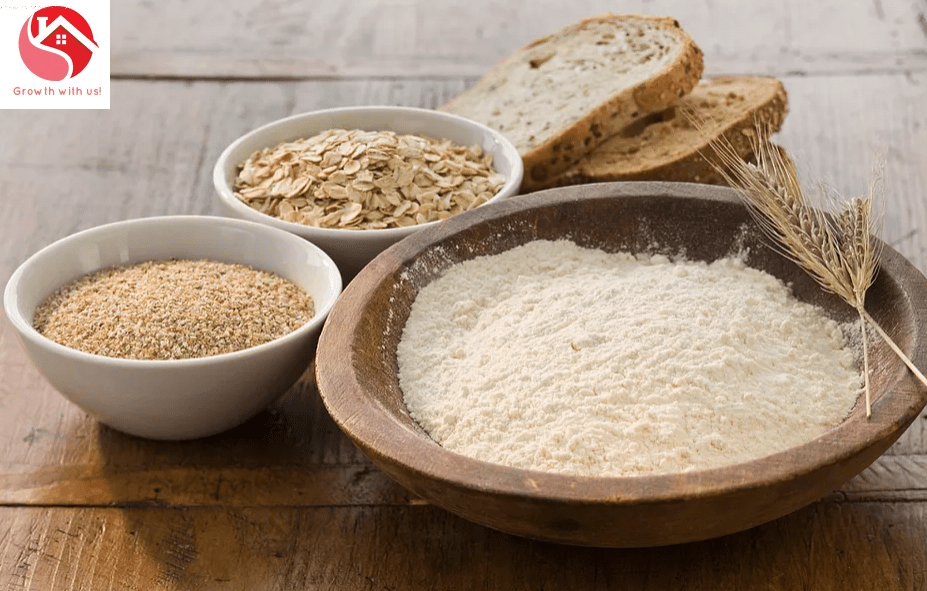
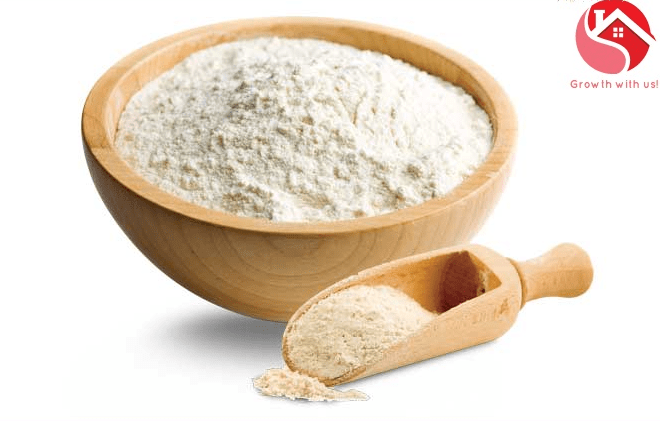
Wheat Flour is a powder made from grinding wheat, making it usable for human consumption. There are different types of wheat flour, distinguished by the amount of gluten they contain, their color, the parts of the grain used, and the type of wheat. Wheat flour is an essential ingredient in bread, cakes, cookies, and most baked goods.
We source high-quality wheat for making flours
Our products are manufactured in clean and hygienic conditions
The products go through stringent quality checks from grain selection to final flour testing
All wheat flour manufacturing processes adhere to international quality standards
What Is Wheat Flour?
Wheat flour is made from grinding up parts of the wheat grain. There are three main parts of the grain:
The endosperm, or protein/starchy part
Germ, the rich in protein/fat/vitamin part
Bran, the fiber-rich part
White flour is made from only the endosperm. Brown flour includes germ and bran. Whole grain flour includes all three parts. Once each part has been separated, it is ground into a powder. White flour has a naturally yellow-ish color but is often bleached or mixed with oxidizing chemicals to produce a white color.
Wheat is classified by several different characteristics: the season it is grown (spring or winter wheat), its color, whether it is “hard” or “soft,” the amount of protein it contains, and the amount of a specific protein, called gluten that it contains. Hard wheat is usually a bronze color and has a higher gluten content than soft wheat, which is a light golden color.
Varieties
Gluten is naturally occurring in wheat. It’s the protein that gives baked goods structure. Glutens develop and become more elastic when the dough is kneaded. Strong flours are those made from hard, high-protein wheat. They have higher gluten content. Flours that are made from low-protein, softer wheat are called weak flour and have less gluten.
There are several wheat flours, including:
All-purpose flour
Bread flour
Cake flour
Pastry flour
Self-rising flour
Whole wheat flour
Flour Uses
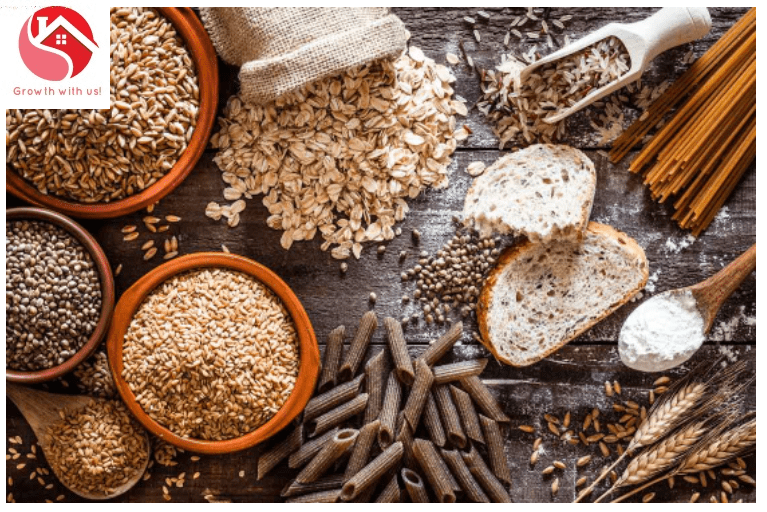
Flour is an essential ingredient for most home chefs. You can use it to make bread, baked goods, pancakes, and more. Additionally, it can be used to thicken sauces or create a roux. Flour is also used for coating foods like fried chicken or cutlets. Finally, flour is a key ingredient in making pasta.
How to Cook With Flour?
Flour should be used according to the recipe and its specific use. For tender baked goods, it can be helpful to sift the flour into the mixing bowl. For baked goods like bread, the flour mixture will need to be kneaded and often will need time to rest. This will help activate the gluten proteins.
What Does It Taste Like?
Raw flour should not be eaten. Flour is a raw agricultural product, so it has not been treated to kill germs. If there are any bacteria present in flour, they are killed when food made with flour is cooked. White flour does not have an odor while whole wheat flour may smell a little nutty.
Flour Substitute
There are many wheat flour substitutes on the market. One major reason for swapping out flour is gluten sensitivity or intolerance. Soy flour, wheat germ, cornmeal, oat flour, spelt flour, and quinoa flour are just some of the wheat flour substitutes available. The flour substitute to use will depend on the recipe, your taste preference, and availability.
Storage
Open the original flour packaging and transfer your flour to an airtight container. Glass or plastic works well and we prefer glass. Keep your flour dry. Moisture will ruin flour. Store the flour in a cool, dark place like a pantry, refrigerator, or freezer. If you freeze your flour, which will help maintain quality for a longer time, use a freezer bag to prevent any moisture or odors from getting absorbed into the flour.
Life has every color Learn to enjoy it!
Truly multipurpose Treat yourself to healthier cooking. Enriched with superb ingredients. The best organic flour. To enhance your home cooking. Your favorite partner for flour. Cook it. Bake it. Blended with nutrients for your health. We offer the finest flour money can buy. We make baking easy. Flour makes everything better. Fresh from the farm. Available in all types of grain. Love life. Love flour.

American wheat farmers grow six classes of wheat. Each wheat variety fits into one of these six categories based on the growing season (winter or spring), hardness (hard or soft), and color (red or white). While munching on holiday treats this year, stump your relatives with these class differences.
Hard Red Winter (HRW)
Ninety-five percent of the wheat grown in Kansas is hard red winter (HRW). In fact, Kansas farmers grow more HRW wheat than any other state.
With high protein and strong gluten, HRW wheat is ideal for yeast bread and rolls. But, this versatile class is also used in flatbreads, tortillas, cereal, general-purpose flour, and Asian-style noodles.
Hard White (HW)
About three percent of wheat grown by Kansas farmers is hard white (HW) wheat. This class is grown primarily under contract.
HW wheat is used for whole wheat white flour, due to its naturally milder, sweeter flavor. Bakers also use HW wheat in pan bread, tortillas, flatbreads, and Asian-style noodles.
Soft Red Winter (SRW)
Less than 1 percent of the wheat planted by Kansas wheat farmers is soft red winter (SRW). Farmers east of the Mississippi River often double-crop SRW wheat with soybeans.
Soft wheat has lower protein and less gluten strength. This makes SRW ideally suited for cookies, crackers, pastries, flatbreads, and pretzels. SRW wheat is even used in Maker’s Mark and Twizzlers.
Soft White (SW)
Pacific Northwest farmers grow primarily soft white (SW) wheat – both winter and spring varieties. SW wheat has two sub-classes. Club wheat has very weak gluten and western white is a blend of club and SW.
SW wheat has low moisture, but high extraction rates. With a naturally whiter color, SW wheat is used for Asian-style bakery products, cakes, and pastries. Fun fact, Triscuits refer to SW as the “cashmere” of wheat.
Hard Red Spring (HRS)
Northern plains farmers require a shorter season crop wheat crop. Hard red spring (HRS) wheat is planted in early spring, rather than the fall, and does not vernalize or go dormant over the winter.
HRS wheat has high protein and strong gluten, perfect for artisan bread and rolls, croissants, bagels, and pizza crust. Internationally, HRS is often blended with domestic wheat supplies to improve the strength of a flour blend.
Durum
Durum is the hardest of all six wheat classes, produced in two areas of the United States. The northern plains grow hard amber durum, while the desert southwest (Arizona, California) grows Desert Durum® under irrigation.
With a rich amber color and high gluten content, durum wheat is used primarily for pasta, couscous, and some Mediterranean bread.

All-Purpose Flour
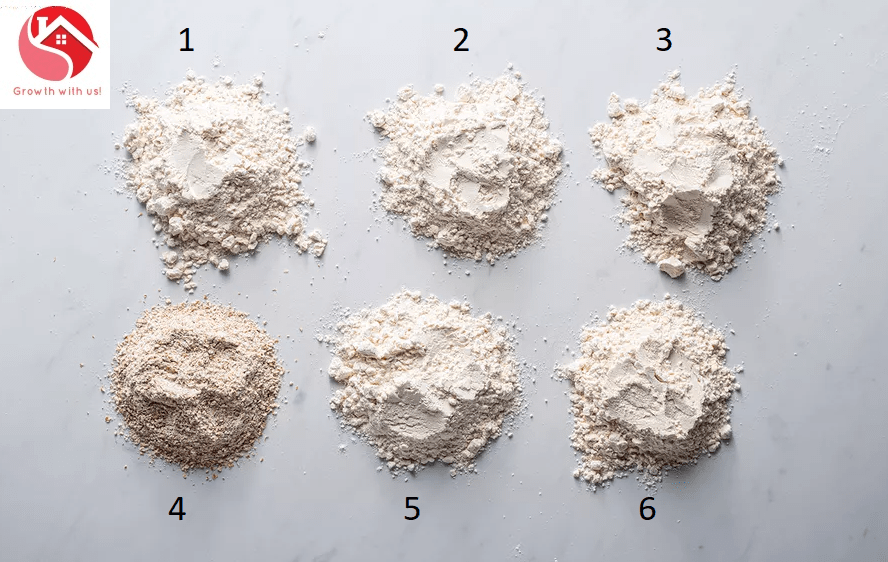
This ubiquitous flour is a mixture of high gluten hard wheat flour and low gluten soft wheat flour. Because it is a mixture of the two, it can be used to make a variety of foods, including bread, cookies, cakes, and pastries. It’s also used to thicken sauces and gravies and as a coating or breading for fried or sauteed foods.
Whole Wheat Flour
This flour is ground from the whole grain, without the bran being removed first. Not removing the bran can interfere with gluten development, so sometimes additional gluten is added to this flour.
Semolina Flour and Durum Flour
Both of these flours are made from hard durum wheat with high gluten content. They are used to make pasta, noodles, couscous, and cereals.
Bread Flour
Because this type of flour contains more hard wheat flour, it also contains more gluten, which makes it excellent for making bread, particularly yeast-risen bread.
Cake flour
This finely textured low gluten flour is made from soft wheat. It has a high starch content and is used for cakes and pastries. You can make your own cake flour by removing 2 tablespoons of all-purpose flour from 1 cup and replacing it with 2 tablespoons of cornstarch.
Pastry Flour
Pastry flour has more hard wheat flour than cake flour, but less than all-purpose flour. It is a high starch flour like cake flour, but it has a bit more gluten and is suitable for cookies and crackers, and biscuits.
Whole Wheat Pastry Flour
This low-protein flour is produced from soft wheat and has a fine texture and a high starch content. Some of the bran and germ portions of the wheat kernel are left in.
Self-Rising Flour
Considered a convenience flour, self-rising has the correct proportions of baking powder and salt already mixed into it so that the user does not have to add those two ingredients separately. One cup of self-rising flour contains 1 1/2 teaspoons of baking powder and 1/2 teaspoon of salt.
Graham Flour
This coarsely ground whole wheat flour is, as you might expect, used to make graham crackers, and is used in baking. Whole wheat flour can be substituted, but the texture will be different.
Bolted Flour (Reduced-Bran Wheat Flour)
Nearly 80 percent of the bran has been removed from this type of flour, making it a bit lighter than a hearty whole grain. It is ideal when the cook wants nutritious flour without all the heft.
Enriched Flours
Enriched flours are simply processed flours that have had nutrients such as vitamins and minerals (like B vitamins and iron) added back into them to replace those lost in processing. Enriched flours do not have as much fiber as whole wheat flour.
Gluten Flour
This type of flour has been produced from hard wheat that has been treated to remove the starch. As you might expect, gluten flour is high in gluten and is sometimes added to other flours to increase its gluten content.
Stone-Ground Vs. Steel-Ground
If your flour is not labeled “stone-ground,” then it is probably “steel-ground.” Although there is considerable disagreement on the issue, some people believe that grinding flour with steel rollers generates heat which is destructive to the wheat germ and causes the flour to lose many vitamins and enzymes. They say that the cooler stone-grinding process allows the flour to retain more of the germ and nutrients.
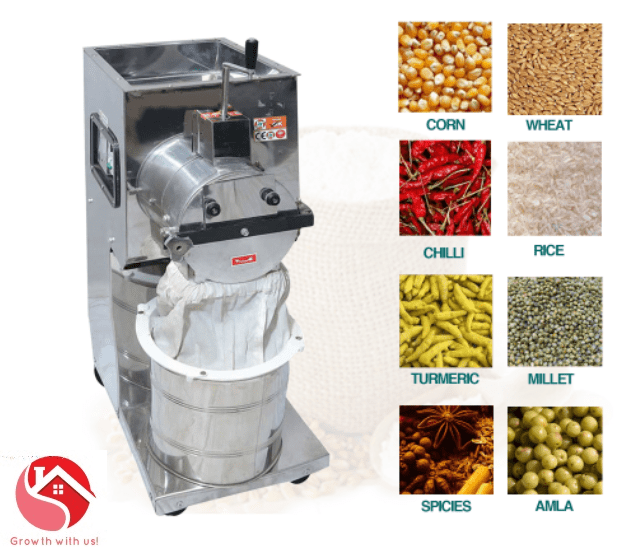
Chirayu Marts – Small Commercial Flour Mill
Made in India Commercial Flour Mill with 1hp Motor
4 to 25kg per hr Grinding Capacity
Grinding Material: Wheat, Besan, Rice, Sugar, Turmeric, Corn, Ambla, Herbs, Jawar, Millet, Chilly, Spices & Cattle Feed
Commercial 1hp SS Flour Mill 25 kg/hr, Chamber Size 8 x 4inch
Features :
Ideal for domestic and special purpose micro fine grinding
Elegant and Agile design
Compact model with steel rotor and datti
Fast Grading, Time Saving, Smaller Floor Space
Easy to Move, no foundation required, easy in operation
Less Maintenance, No Stone, No Pulley, and No Belt
Heavy Shaft and 100% Copper Winding Motor for Continuous Grinding
Big Size Feeding Hopper with SS Top Cover
Fine Grinding Technology with High Durability
SS Body, Special Grinding Rotor
Motor Protecting Overload Control Switch
Micro Feeding Chrome plated Control Valve with 1mm-99mm Operation
Unique and special design for changes of filter (Jali)
Heavy Rubber Pad and Body Structure for Long Life and Maximum Vibration Reduce
Specifications :
Product Type: Flour Mill
Brand: Made in India
Body Material: Stainless Steel
Motor Power: 1 HP
Phase: Single Phase
Voltage: 230V AC
Speed: 2800RPM
Blades: 4
Jalli: 8
Grinding Chamber: 8 x 4 inch
Hopper Capacity: 8 kg
Grinding Capacity: 4 to 25 kg per hr
Dimension (L x W x H) : 82 x 33 x 51 cm
Weight : 50kg (Approx)
Grinding Average kg per hr :
Wheat: 6 to 8 kg per hr
Besan: 16 kg per hr
Rice: 4 kg per hr
Sugar: 30 kg per hr
Turmeric, Corn: 6 kg per hr
Ambla, Herbs : 10 kg per hr
Jowar, Millet: 4 kg per hr
Chilly, Spices: 5 kg per hr
Cattle Feed: 20 kg per hr
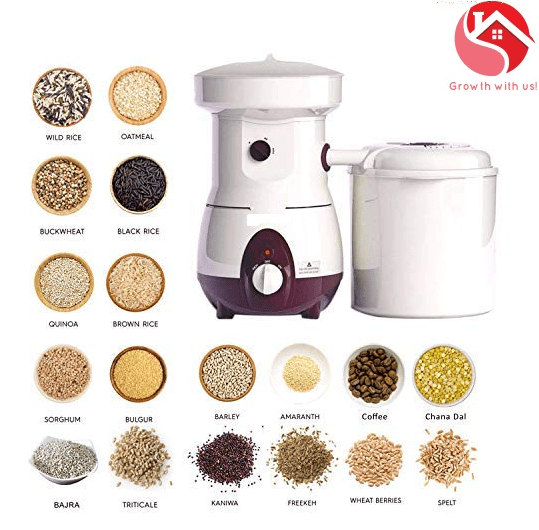
Group operates according to best-in-class business practices that align with our corporate values and high-quality standards. At every level of the company, our employees are committed to doing what’s right, always placing people ahead of profits for this generation and the generations to come. TECHNICAL SPECIFICATION: – Product Name: Home Grain Mill 22
Voltage: 230 VAC / 50Hz – Motor: One Speed Constant Speed Along with An – – Incher 1250 Watts; 5 Amps – Insulation : F Class – Weight: 5.5 Kg Approx – Measurements: 16 Inch X 8.75 Inch X 14 Inch (L X W X H) – Contents: Main Milling Unit, Canister, Instruction Manual and Warranty Card – Product Warranty Period: 12 Months – Motor Warranty Period: 5 Years.
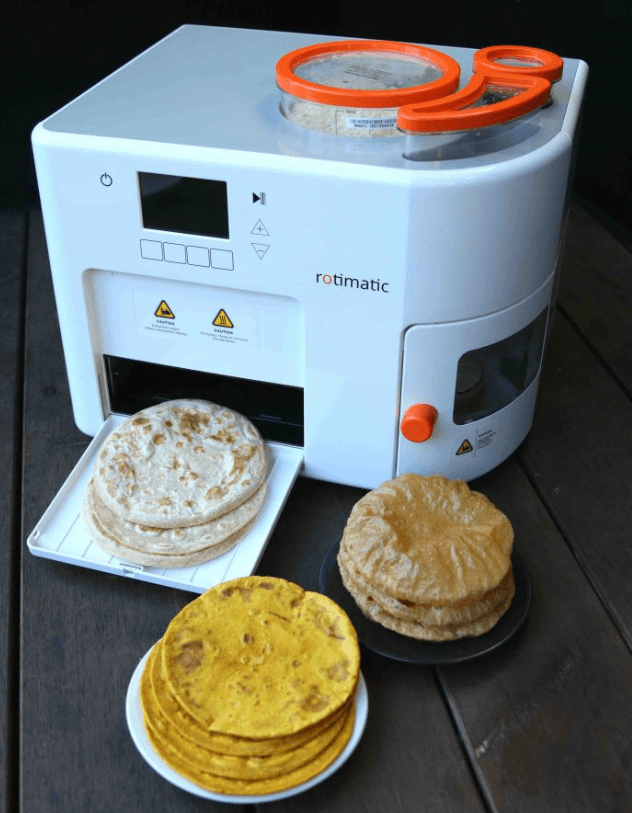
Home Roti Maker 24 – Auto enhance your kitchen experience! …available till stock lasts!
C
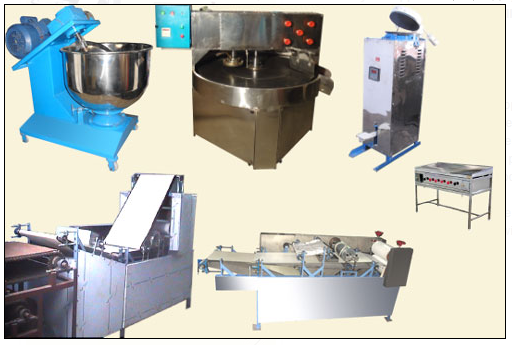
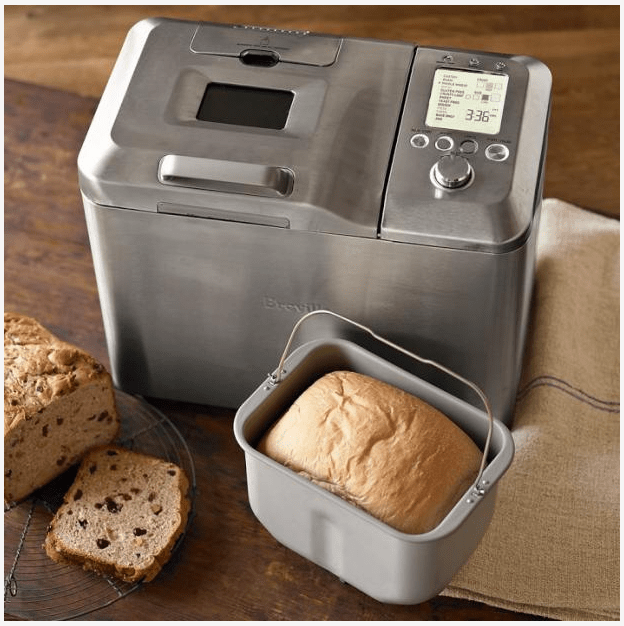
All the above machines minimum of 100+ quantities can be made in India and you can develop your brand services as per the need. We believe in small size custom delivery of fresh food for a healthier life!
 Chakole Industries